Speech, Language and Communication Resources week 2
Year of Communication - Better communication begins at your child’s level. Learn how to make it part of everyday play.

Sharing books and simple play activities with your child is one of the most effective ways to build early speech and language skills. When you read together, talk about pictures, take turns in games, or copy each other’s sounds, your child learns how communication works.
These everyday interactions help develop attention, listening, understanding of words, and the confidence to join in. Most importantly, they make learning language fun and natural through play and shared moments with you.
Have a go at some of the recommendations below:
#EarlyCommunication
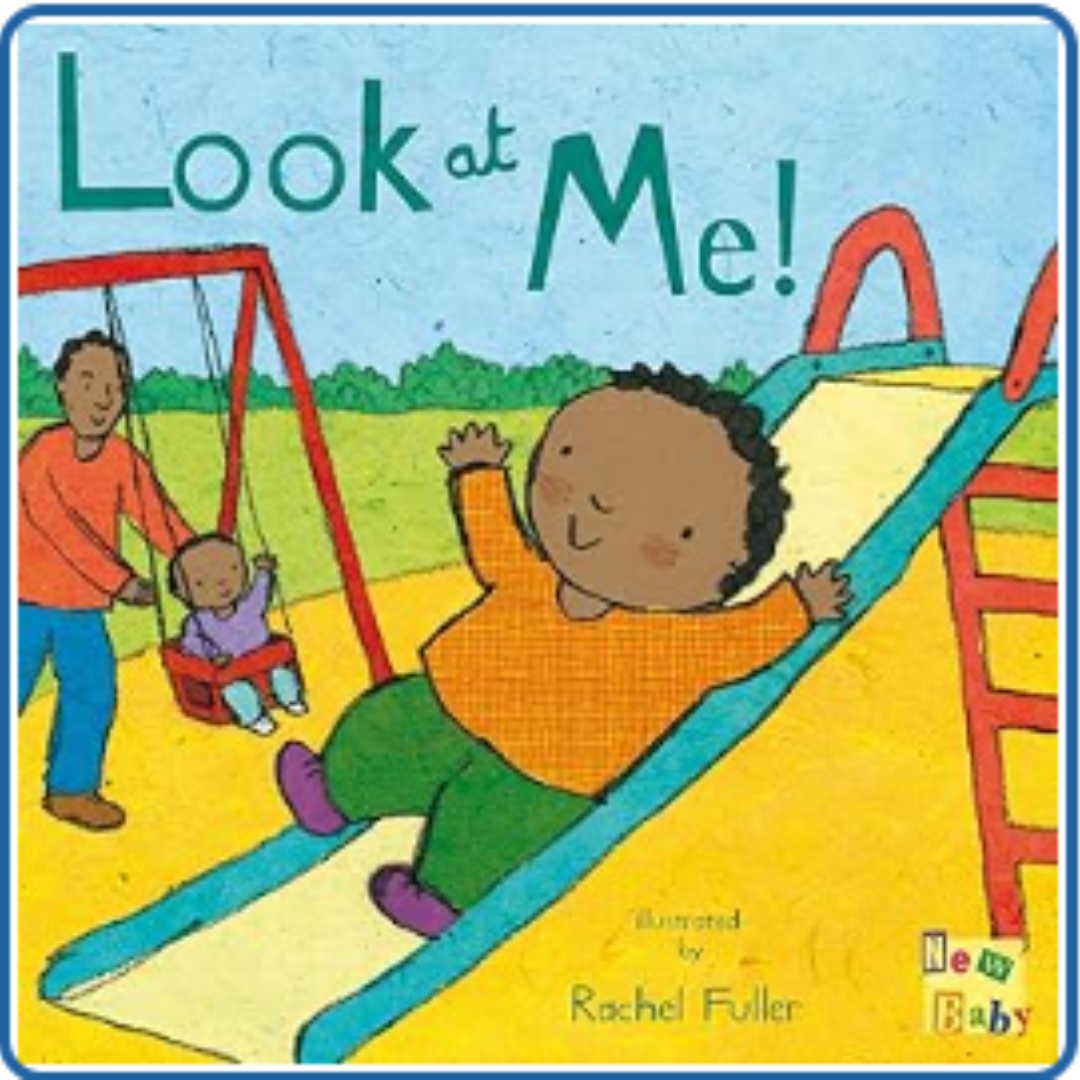
Book of the Month: Look at Me (New Baby) - by Rachel Fuller
This lovely baby-friendly book explores the special relationship that begins to grow when a new baby joins the family. It shows the excitement, mixed feelings, and new emotions that older siblings may experience, all through simple, warm illustrations and easy‑to‑follow text.
Why it helps:
Sharing books like these supports early communication by encouraging babies to look, smile, babble, and respond to what they see.
Top tip: Sit your baby on your lap so they can see both the book and your face. Pause as you turn the pages and give them time to react.
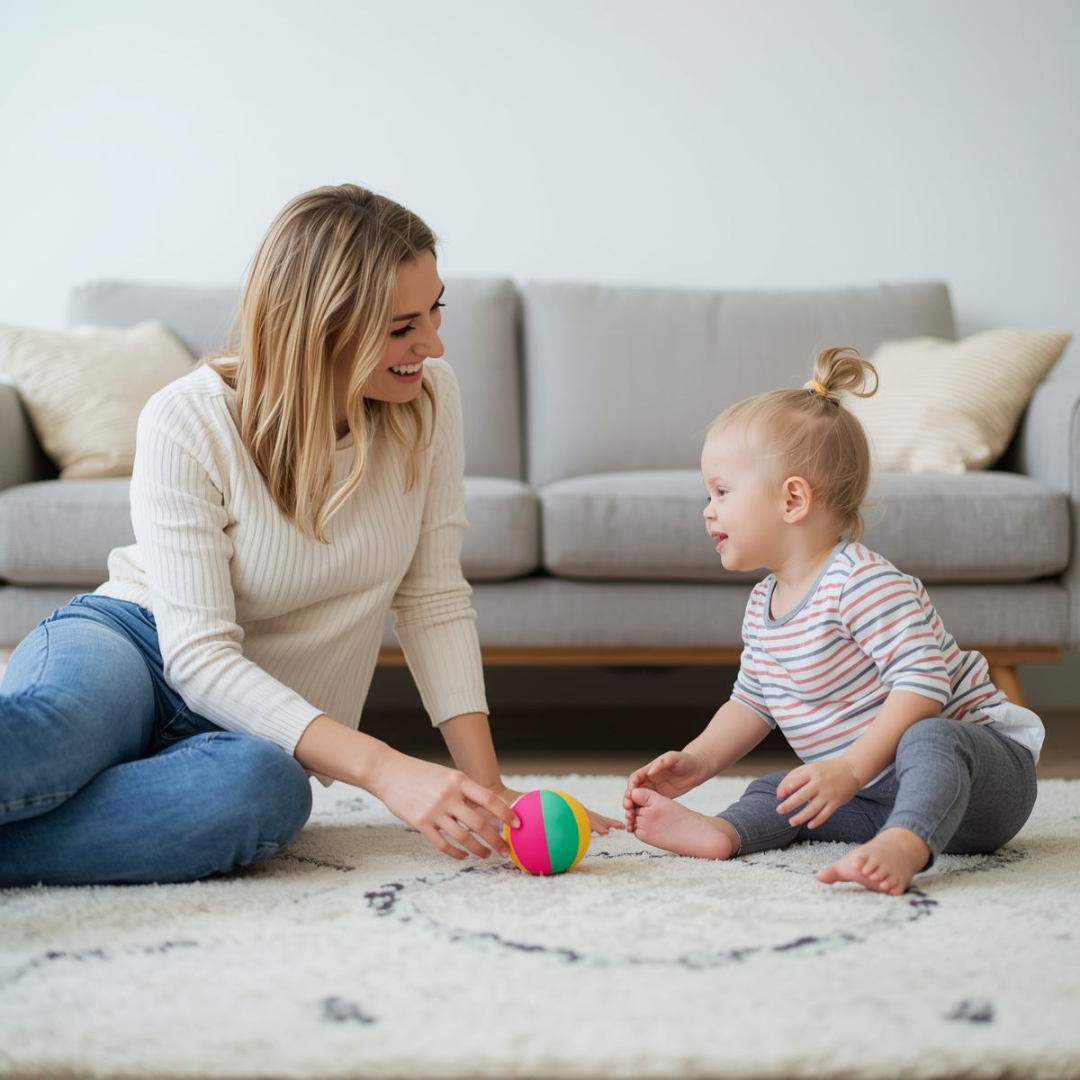
Indoor Activity: Rolling the ball
Sit facing your baby and roll an object (such as a soft ball) back and forth to each other.
This simple game helps babies develop early turn‑taking skills, an important part of communication. Rolling encourages eye contact, anticipation, and shared attention.
Why it helps:
Builds early social interaction skills
Encourages waiting, watching, and responding
Great for bonding and fun
Top tip:
Say words like “Ready… steady… go!”, “Your turn”, “Roll the ball” whilst playing. Repeating short phrases helps babies learn familiar sounds and rhythms.

Outdoor Activity: Bubble Fun
Bubbles are exciting for babies and brilliant for developing language skills. As your baby watches the bubbles float, pop, and drift away, they naturally start to make sounds and gestures to show excitement.
Why it helps:
Encourages eye tracking and attention
Creates opportunities for simple words like “pop!”, “more?”, “big!”, “up!”
Supports early pointing and turn-taking
Top Tip:
Pause before blowing more bubbles and wait for your baby to look at you, make a sound, or show they want more.
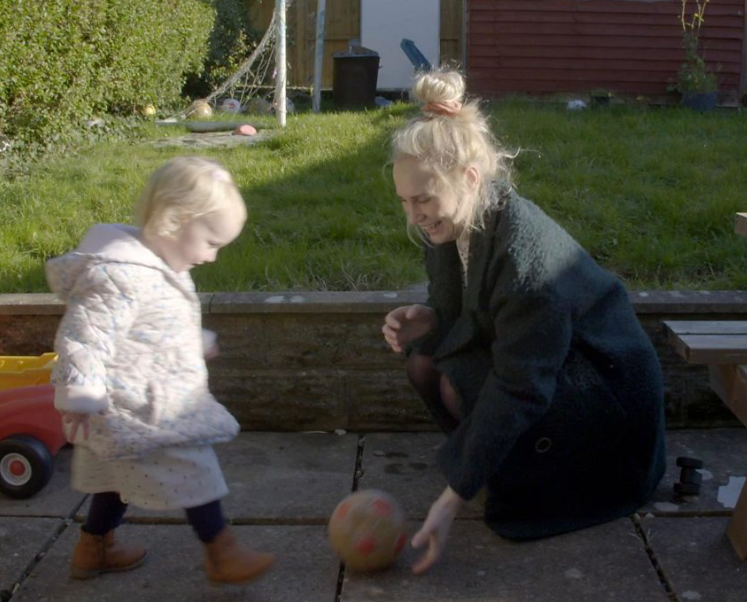
BBC - Get down to your child's level: Playing copycat games with a ball
Copycat games are not only great fun, by getting down to your child's level and copying one another, you're showing them that their actions, words and sounds are important.
It helps your child to:
- See what you are doing or looking at
- Hear your words and sentences more clearly
- Show you what they are interested in
- See clues to communicate and understand what is being said, as they watch lip movements, eyes, and facial expressions
Click on the link below to watch a video and see how a mum gets down to her daughter's eye level to play games with her.
Watch VideoExplore more news
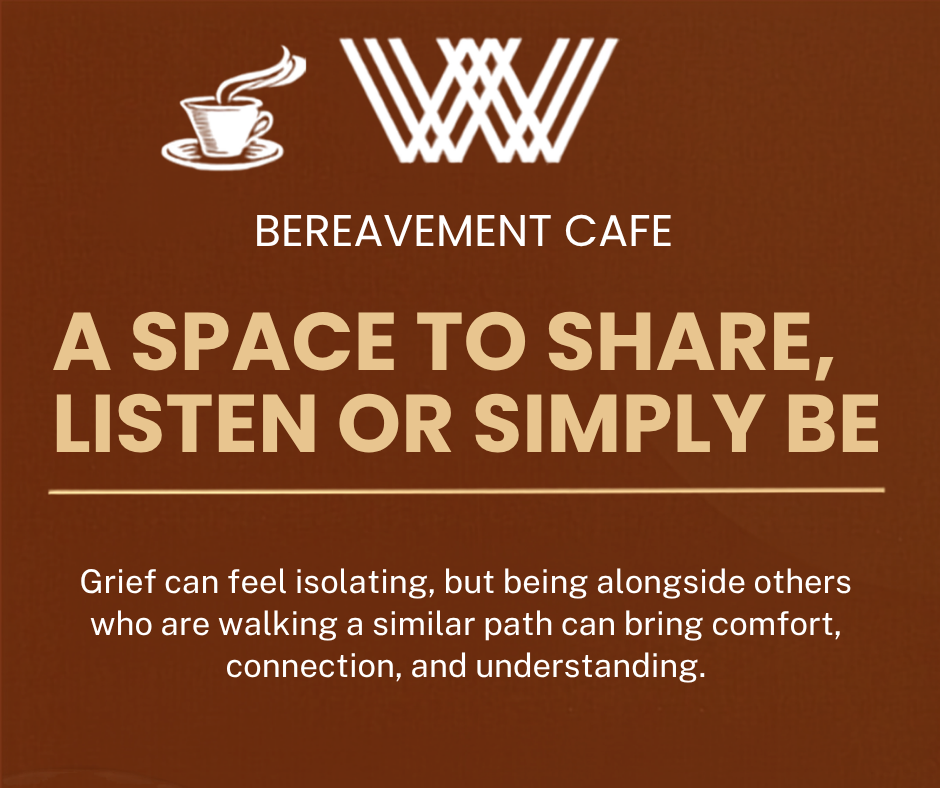
Bereavement Café
The Bereavement Café offers a warm, friendly environment where anyone who has experienced bereavement and would value spending time with others is welcome.
Move, Play, Grow
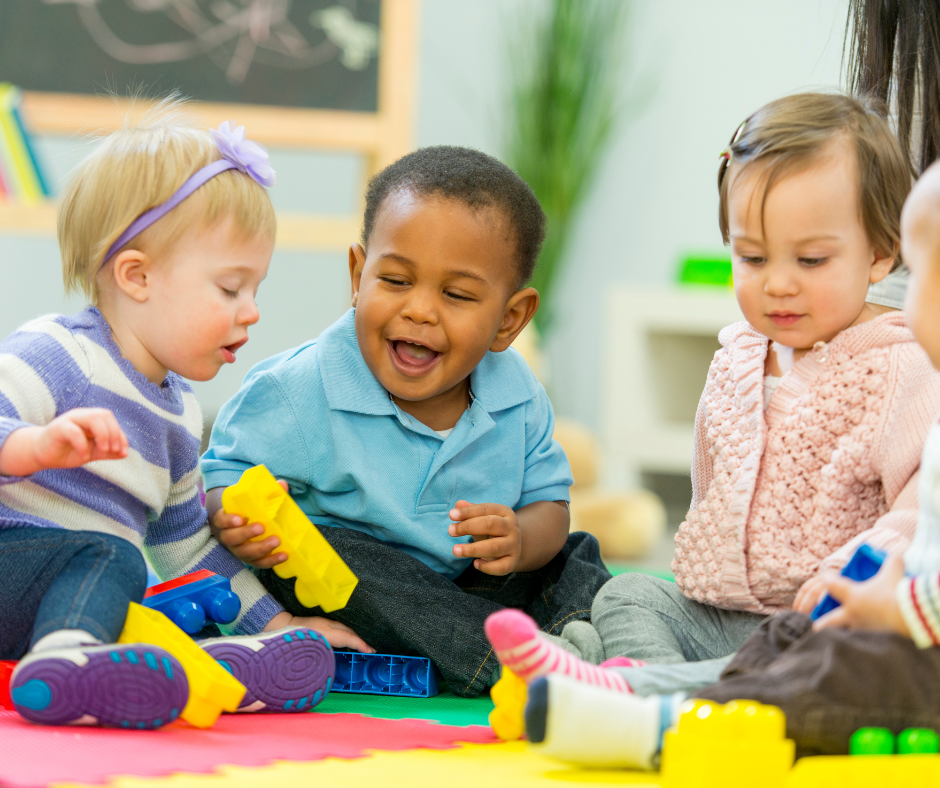
Move, Play, Grow: Weekly sessions to help children aged 1-5 years build healthy habits through fun, play and family connection.
Cress - Pre-loved school uniform shop
Save money on pre-loved school uniform with Cress!